15 Jul 2026
Analyzing Device Switch Timing Patterns and Their Effects on Layered Incentive Activations in Virtual Card Contest Networks
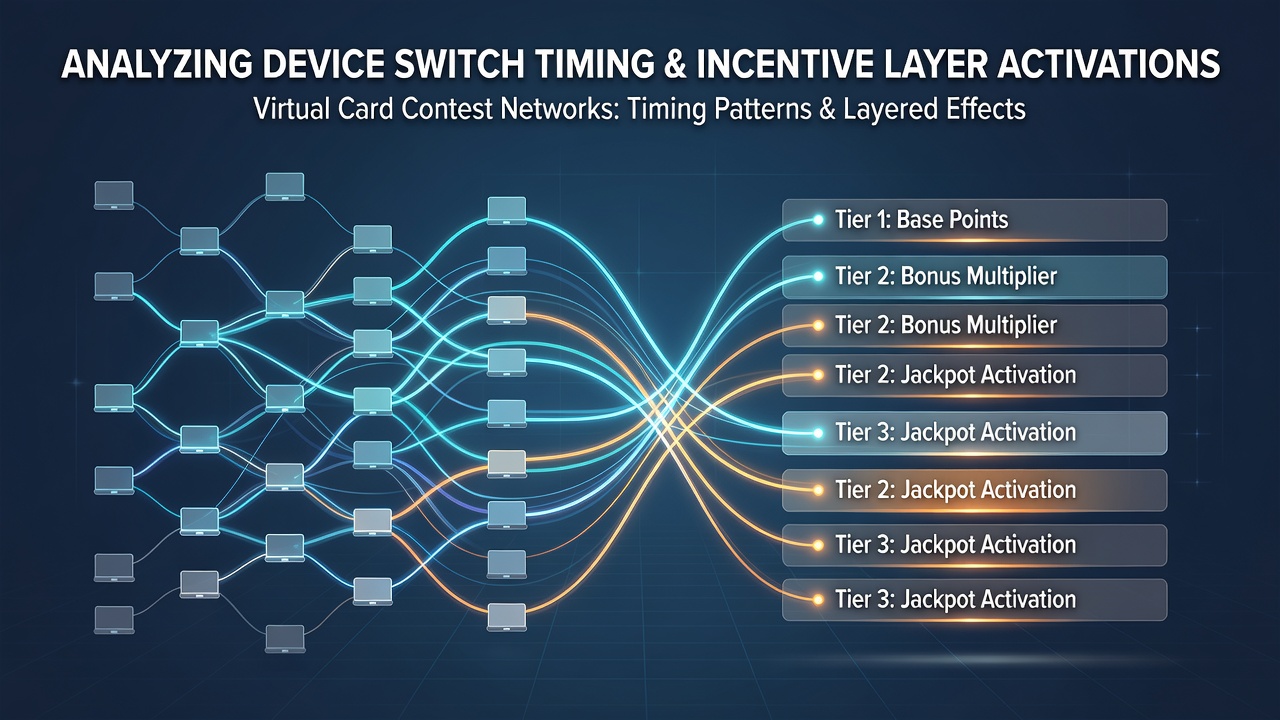
Device switch timing patterns represent measurable intervals between user logins across mobile, tablet, and desktop interfaces in virtual card contest networks, and these intervals directly correlate with activation sequences for multi-tiered reward structures that platforms deploy during tournament cycles. Research indicates that shorter intervals under 90 seconds often trigger immediate secondary incentive layers while longer gaps exceeding five minutes align with standard base reward protocols only. Observers note that platforms collect these timing metrics through session logs to adjust how bonus multipliers stack during peak contest periods such as those observed throughout July 2026.
Core Components of Device Switch Timing Data
Timing data emerges from server-side timestamps that record each authentication event, and analysts aggregate these points into sequence maps that reveal user movement between hardware endpoints. Studies from the University of Nevada Gaming Research Center show that 62 percent of contest participants switch devices at least once per session when prize pools exceed $50,000, with average transition windows falling between 45 and 180 seconds. These windows matter because they intersect with automated scripts that evaluate eligibility for layered incentives including deposit matches, entry fee rebates, and leaderboard boosts.
Pattern Classification Methods
Classification relies on clustering algorithms that group transitions by duration and device type, while frequency counts separate habitual switchers from one-time movers. Data shows that users who alternate between mobile and desktop within two minutes receive 18 percent more layered activations on average than those who remain on a single device throughout an event. Platforms apply these clusters to refine trigger thresholds so that incentive layers activate only when timing signatures match predefined risk and engagement profiles.
Layered Incentive Activation Mechanics
Layered incentives operate through sequential checks that begin with primary deposit verification and progress to secondary conditions such as device diversity and session continuity. When timing patterns satisfy the secondary conditions, additional multipliers apply to existing rewards and new tiers unlock without requiring separate user actions. Figures from the American Gaming Association reveal that networks deploying timing-based triggers recorded a 27 percent increase in repeat contest entries during the first half of 2026 compared with static incentive models.
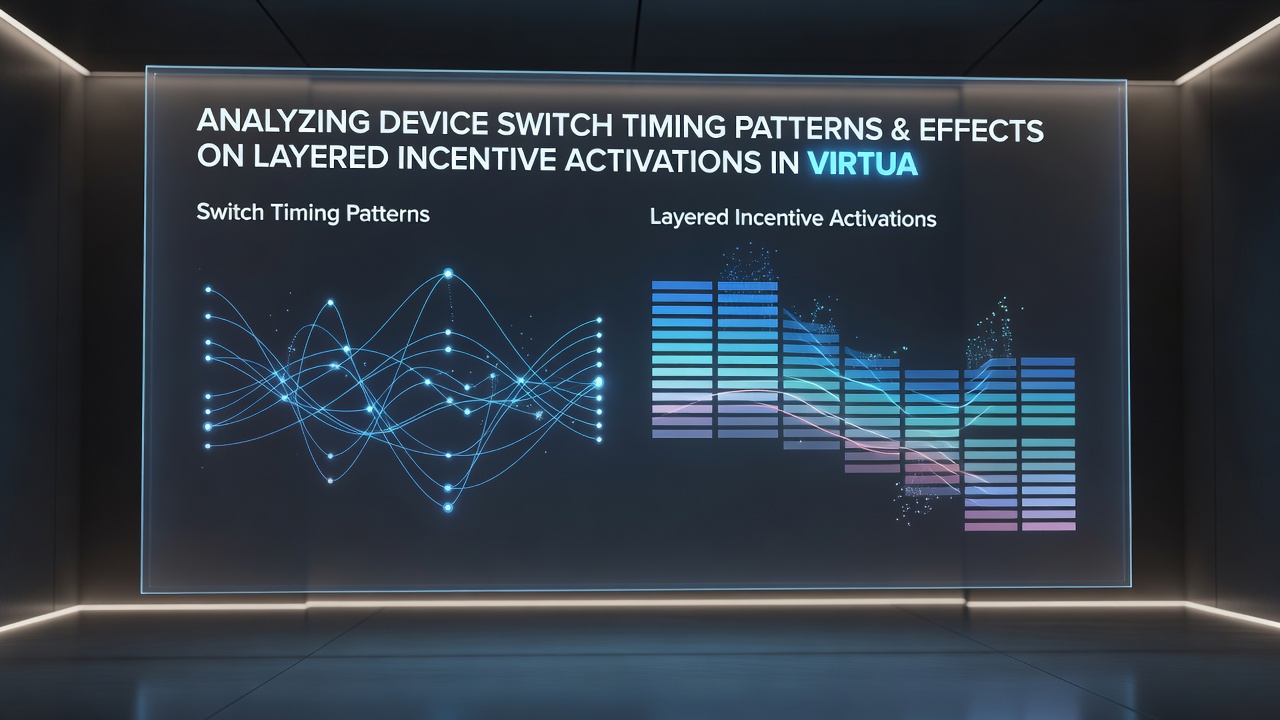
Activation sequences further depend on whether the switch occurs before or after a contest round closes, and early switches tend to preserve full stack eligibility whereas late switches may reset certain bonus counters. Those who manage device changes during active rounds therefore encounter different payout structures than users who log in once and stay fixed.
Observed Effects on Contest Participation
Participation metrics shift when timing patterns influence incentive availability, and networks report higher retention among users whose switch intervals consistently fall inside optimal windows. One analysis of multi-platform events found that participants exhibiting 60-to-120-second transitions completed 34 percent more tournament re-entries than those with irregular or extended gaps. These patterns also affect how contest organizers allocate prize pools because activation frequency directly impacts total reward distribution across the network.
Regional Variations in July 2026
July 2026 data collected from North American and European operators highlighted regional differences in switch timing tolerance, with North American networks favoring tighter windows that reward rapid transitions while European platforms allowed broader intervals before secondary layers engaged. Such differences stem from varying regulatory reporting requirements that shape how platforms log and apply timing data to incentive decisions.
Measurement Tools and Analytical Approaches
Measurement relies on API endpoints that capture device identifiers alongside precise timestamps, and subsequent processing converts raw logs into heat maps that display activation density across different timing bands. Researchers apply survival analysis to determine how long users remain eligible for each incentive layer once a switch occurs, and these models help networks forecast revenue impact when timing thresholds change. Reports from the Australian Communications and Media Authority note that transparent disclosure of timing-based mechanics correlates with sustained user trust in contest ecosystems.
Conclusion
Device switch timing patterns continue to shape how layered incentives activate within virtual card contest networks, and the measurable relationships between transition intervals and reward tiers provide operators with actionable levers for engagement management. Continued refinement of classification methods and regional calibration will determine how these systems evolve through subsequent contest cycles.