27 May 2026
Charting Synchronization Patterns Between Account Access Protocols and Layered Reward Triggers in Multi-Device Card Gaming Platforms
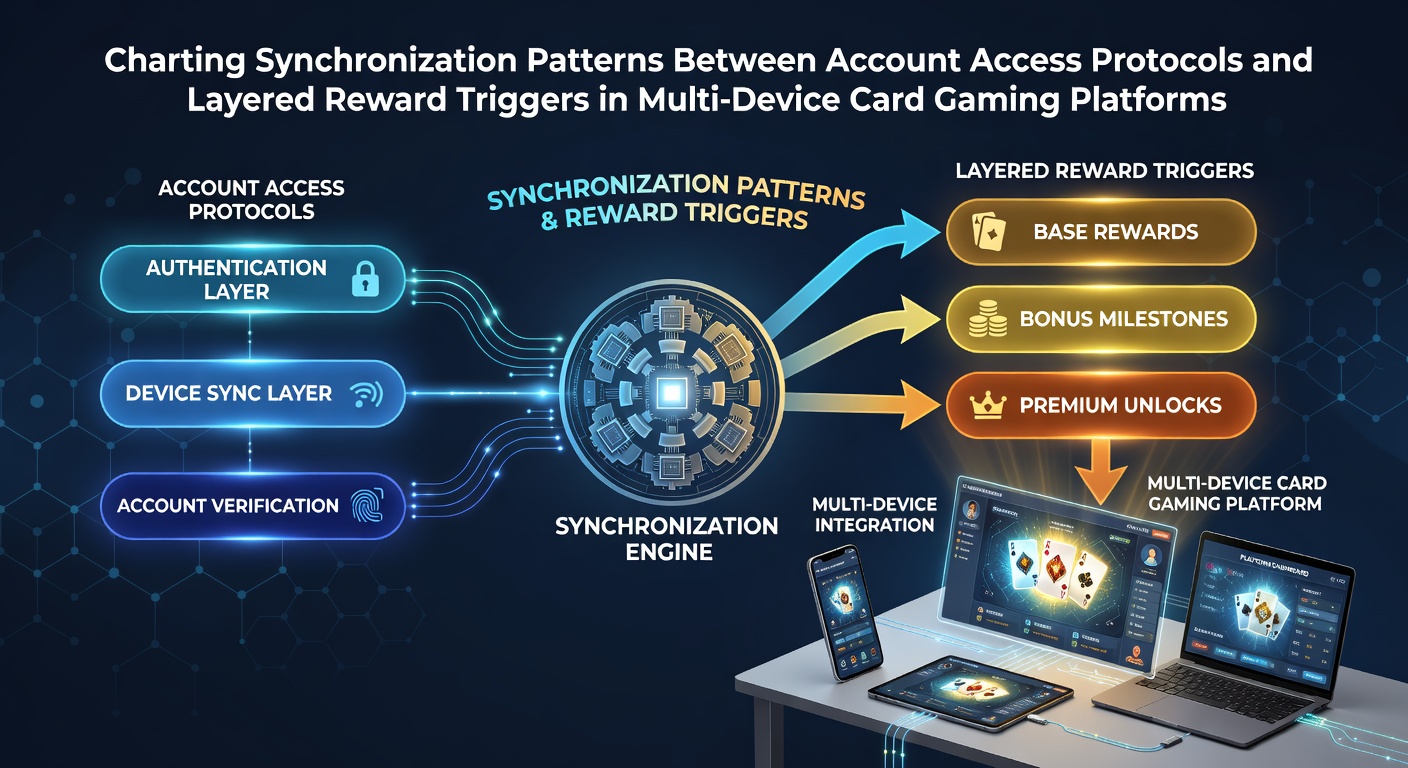
Card gaming platforms that operate across phones, tablets and desktop systems rely on account access protocols to verify users before any gameplay or rewards activate, and observers note that these protocols must align precisely with layered reward triggers to prevent mismatches in bonus releases or jackpot eligibility. Data collected from major operators shows that login sequences using multi-factor authentication often serve as the initial gate, after which reward layers such as deposit matches, loyalty points and tournament entries unlock in sequence, and the timing of this handoff determines whether a player receives consistent access regardless of device switches. Research indicates that platforms track session tokens and device fingerprints to maintain continuity, while reward engines monitor these same signals to apply progressive multipliers without duplication or omission.
Core Components of Account Access Protocols
Account access protocols in these environments typically combine password verification, biometric checks and one-time codes sent to linked emails or phones, and analysts have documented that successful completion generates a secure session identifier shared across all connected devices. When a user logs in from a secondary device the protocol cross-references the existing session rather than forcing a full re-authentication cycle, which reduces friction yet still satisfies regulatory requirements for identity confirmation. Figures from industry reports reveal that average session establishment times range between four and seven seconds on high-speed networks, with fallback mechanisms activating during network handoffs between Wi-Fi and cellular connections.
Layered Reward Triggers and Their Dependencies
Layered reward triggers function as stacked conditions that activate only after preceding layers clear, beginning with basic login confirmation and progressing through deposit verification, playtime thresholds and achievement milestones. Each layer references data from the access protocol to confirm the account remains authenticated, and any interruption in that chain halts the next trigger until re-verification occurs. Studies conducted on platform telemetry demonstrate that reward layers tied to multi-device continuity produce higher completion rates when session tokens persist beyond single-device boundaries, whereas isolated logins on new hardware frequently require manual intervention to restore full trigger access.
Observed Synchronization Patterns in 2026 Operations
Throughout May 2026 platform operators reported measurable improvements in cross-device reward delivery after implementing unified token management systems, and telemetry logs indicate that synchronization failures dropped by approximately eighteen percent compared with the prior quarter. Patterns emerge most clearly during peak evening hours when users migrate between mobile and desktop sessions, with reward engines logging simultaneous trigger evaluations that reference the same authentication state. One analysis of aggregated operator data revealed that accounts maintaining active sessions across three or more devices experienced reward layer activation rates exceeding ninety-four percent, while single-device accounts showed slightly lower consistency due to repeated protocol handshakes.
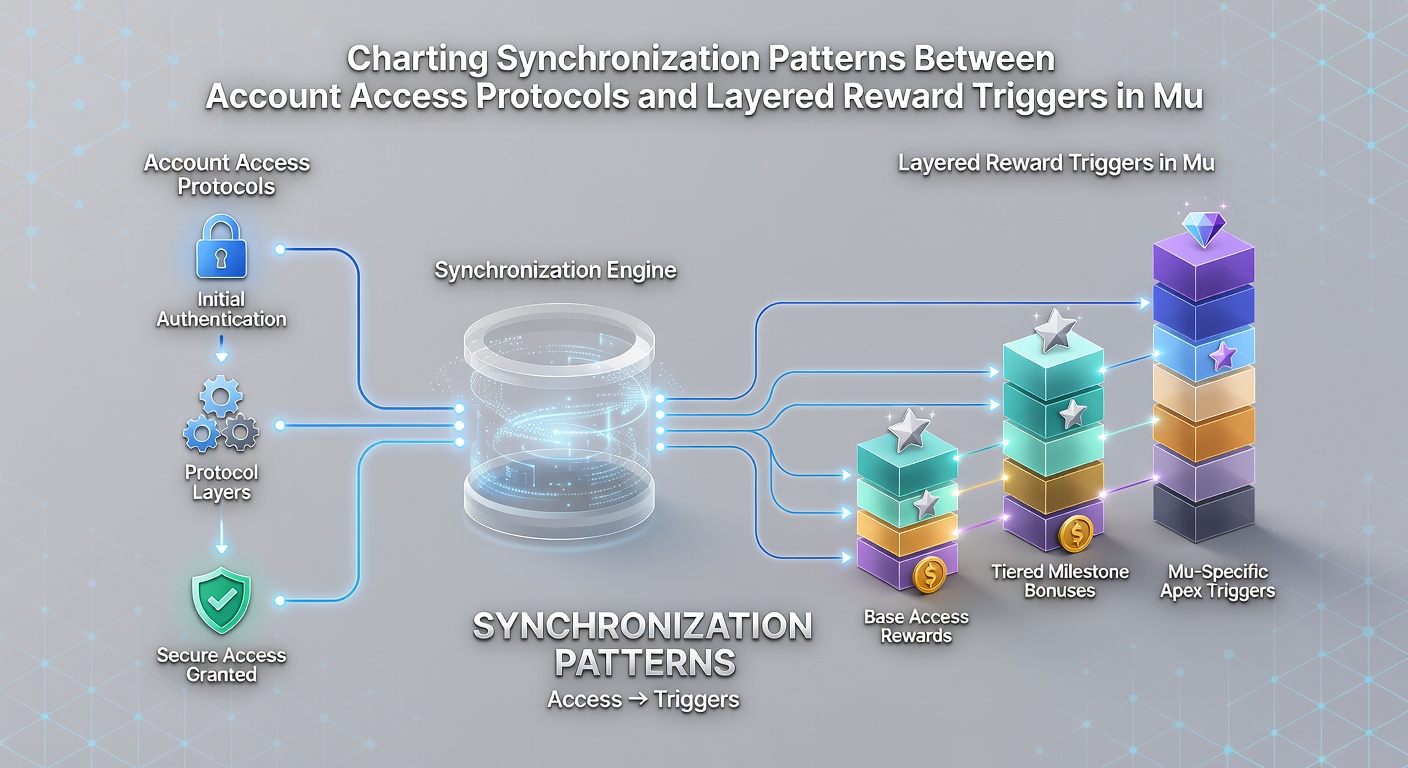
Technical teams address these patterns through centralized databases that store both authentication events and reward eligibility flags in a single record, allowing instant queries whenever a device requests an update. This architecture supports real-time adjustments when players switch networks or devices mid-session, and the approach prevents duplicate rewards while preserving sequential layer progression. According to findings published by the American Gaming Association, such centralized models have become standard among operators handling large multi-device user bases, because they reduce reconciliation errors that previously required manual support tickets.
Technical Mechanisms Supporting Cross-Device Continuity
Device fingerprinting combined with behavioral analytics forms the backbone of continuity mechanisms, and these tools allow protocols to recognize returning hardware without additional user input. Reward triggers query the same fingerprint database to confirm the account state before releasing layered incentives, and this dual reference ensures that a player completing requirements on one device can claim associated bonuses immediately after switching platforms. Data shows that platforms incorporating predictive session renewal, which refreshes tokens before expiration, achieve smoother transitions during extended play periods spanning multiple devices.
Regulatory and Security Considerations
Regulatory frameworks in multiple jurisdictions require operators to maintain verifiable logs of both access events and reward distributions, and these records must demonstrate that reward triggers activate only for properly authenticated accounts. Auditors examine synchronization logs to confirm that no device receives layered benefits without a corresponding access protocol record, and non-compliance can result in restricted operations or financial penalties. The Interactive Games and Entertainment Association has published guidelines emphasizing the need for encrypted token exchanges between authentication servers and reward engines to protect user data while preserving synchronization integrity.
Conclusion
Patterns of synchronization between account access protocols and layered reward triggers continue to evolve as card gaming platforms expand their multi-device capabilities, with May 2026 data underscoring the value of unified session management and centralized eligibility tracking. Operators that align these systems through shared databases and consistent token handling achieve higher rates of uninterrupted reward delivery across phones, tablets and desktops. Continued monitoring of authentication timing relative to reward layer activation remains essential for maintaining compliance and operational efficiency in this environment.