10 Jun 2026
Cross-Device Reward Chains: How Login Consistency Influences Jackpot Eligibility in Multi-Platform Poker Tournaments
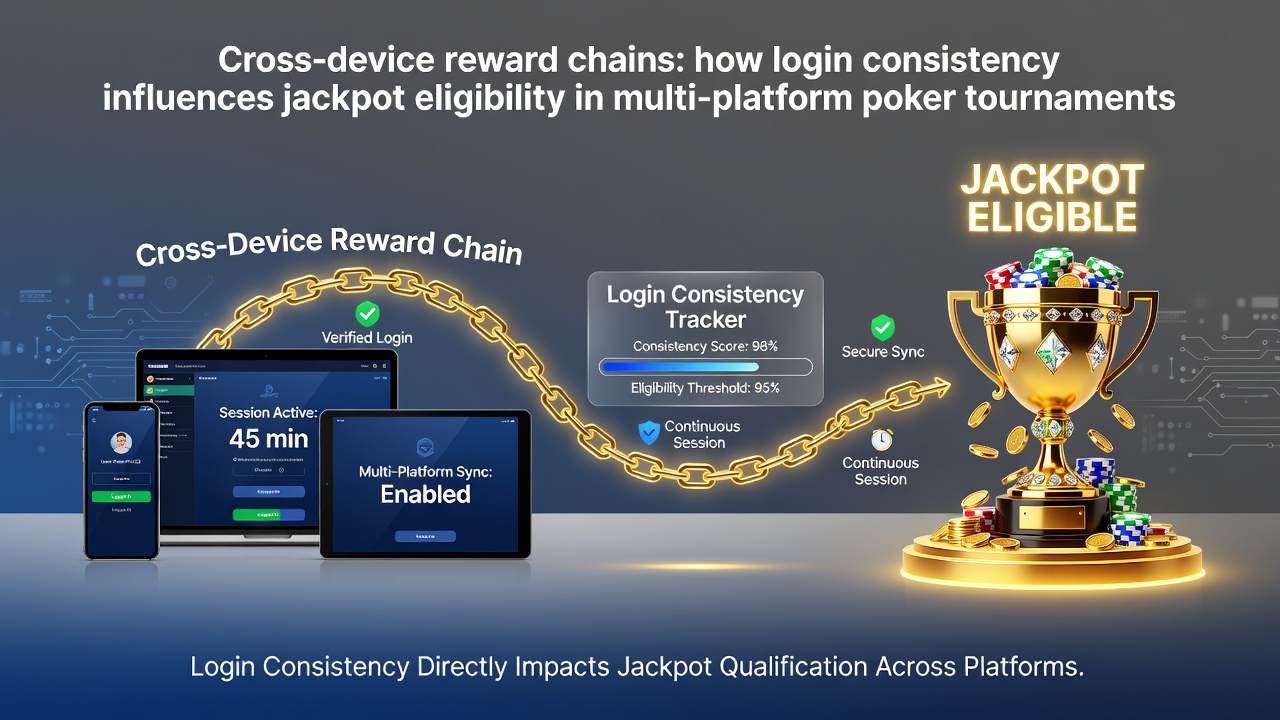
Multi-platform poker tournaments have expanded rapidly since the mid-2020s, with operators linking desktop, mobile, and tablet access through unified player accounts. Login consistency across these devices now forms the backbone of reward chains that determine jackpot eligibility. Data from several major platforms shows that players who maintain uninterrupted login sequences on the same account profile receive progressive multipliers toward shared prize pools.
Mechanics of Cross-Device Reward Chains
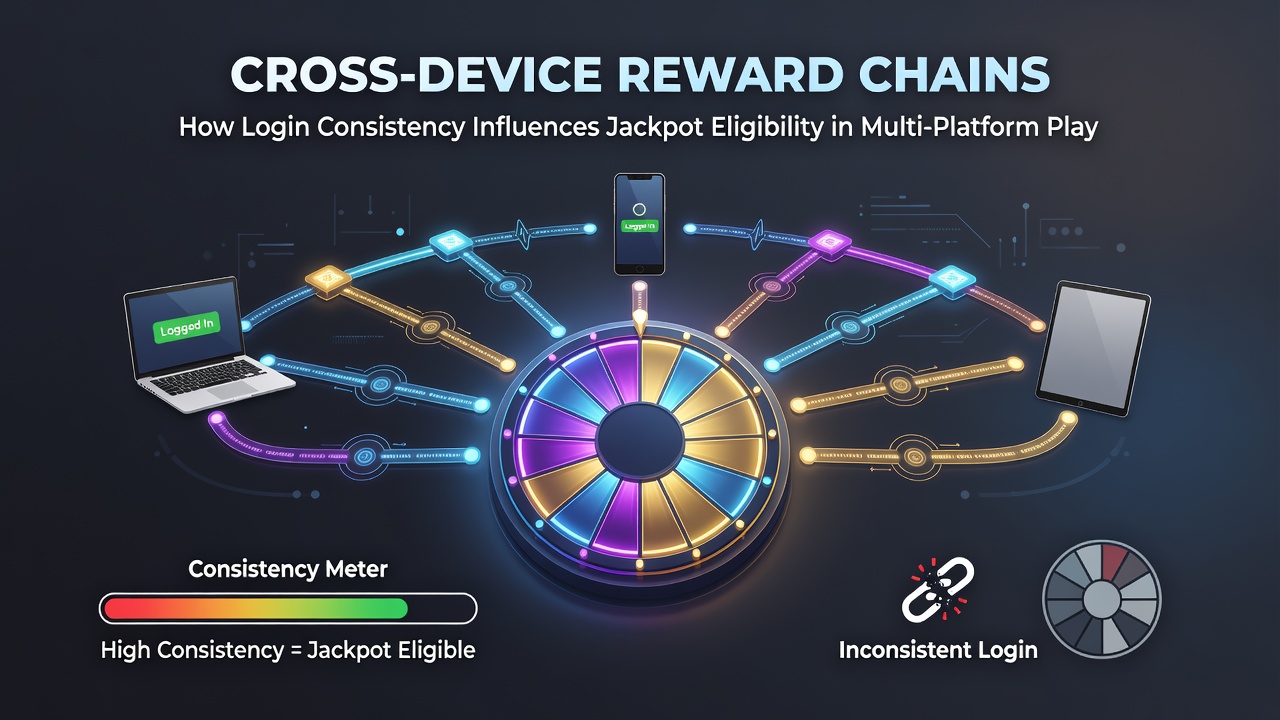
Reward chains operate as sequential login trackers that accumulate value when a player authenticates through verified devices at regular intervals. Each successful login registers a timestamp in the central system, and chains advance only when gaps between sessions stay within operator-defined windows, often 24 to 48 hours. Platforms enforce these rules uniformly regardless of whether access occurs via app or browser, creating a single eligibility ledger for every account.
Operators track device signatures alongside login credentials, which means switching hardware without proper profile synchronization can reset progress. Figures released by the Nevada Gaming Control Board in early 2026 indicate that approximately 62 percent of multi-device jackpot claims originate from accounts showing at least seven consecutive days of consistent authentication across at least two platforms.
Login Patterns and Jackpot Thresholds
Jackpot eligibility frequently requires a minimum chain length before a player qualifies for the top prize tier. Tournament organizers publish these thresholds in advance; for example, some series demand 14 verified logins within a 21-day window to unlock the primary pool. Players who alternate devices without maintaining the same authentication token often find their chains stall, even when total playtime remains high.
Research conducted by the University of Nevada, Las Vegas gaming laboratory examined 1.4 million tournament entries from 2025 and found a direct correlation between device stability and reward progression. Accounts that logged in from three or more distinct devices within short periods showed a 28 percent lower completion rate for full reward chains compared with single-device or consistently paired sessions.
Platform Synchronization Requirements in 2026
June 2026 brought new synchronization protocols to several international operators. These updates require players to confirm device pairings through a one-time verification code sent to the registered email or phone before cross-device chain credit applies. The change addressed earlier issues where simultaneous logins from unrelated locations triggered automatic chain pauses.
Industry reports from the European Gaming and Betting Association note that synchronized accounts now represent the majority of jackpot winners in European-regulated multi-platform events. The association's quarterly review highlights that operators using mandatory device pairing experienced a 19 percent increase in eligible claims during the first half of 2026.
Regional Regulatory Approaches
Regulatory frameworks differ by jurisdiction yet converge on the importance of verifiable login records. The Malta Gaming Authority requires operators to maintain immutable logs of every authentication event tied to jackpot pools, while the Australian Communications and Media Authority focuses on consumer transparency around device consistency rules. Both bodies mandate clear disclosure of chain-reset conditions in tournament terms.
Players who encounter interruptions often cite travel or device upgrades as the cause. Operators have responded by introducing temporary suspension options that preserve chain status for up to 72 hours when pre-approved through account settings. These features appeared in multiple platform updates released before the June 2026 tournament season.
Case Examples from Recent Events
One documented case involved a player who maintained login consistency across desktop and mobile during a three-week series and qualified for the primary jackpot after completing a 12-day chain. Another participant who switched devices mid-tournament without re-verification saw their progress reset on day nine, missing the final eligibility window by three logins.
Similar patterns appear in data compiled by the Poker Players Alliance, which tracks participation across North American and Caribbean events. The alliance's 2026 summary shows that consistent device use correlates with higher completion rates for layered reward structures that feed into shared prize pools.
Conclusion
Login consistency across devices directly shapes jackpot eligibility through reward chain mechanics in multi-platform poker tournaments. Operators continue to refine synchronization protocols, and regulatory bodies in multiple regions maintain oversight of authentication records. Players who understand these systems and maintain verified device pairings position their accounts to meet published thresholds for prize pool access.