8 Jul 2026
Device Switching Behaviors and Their Connection to Bonus Eligibility in Poker Tournament Networks
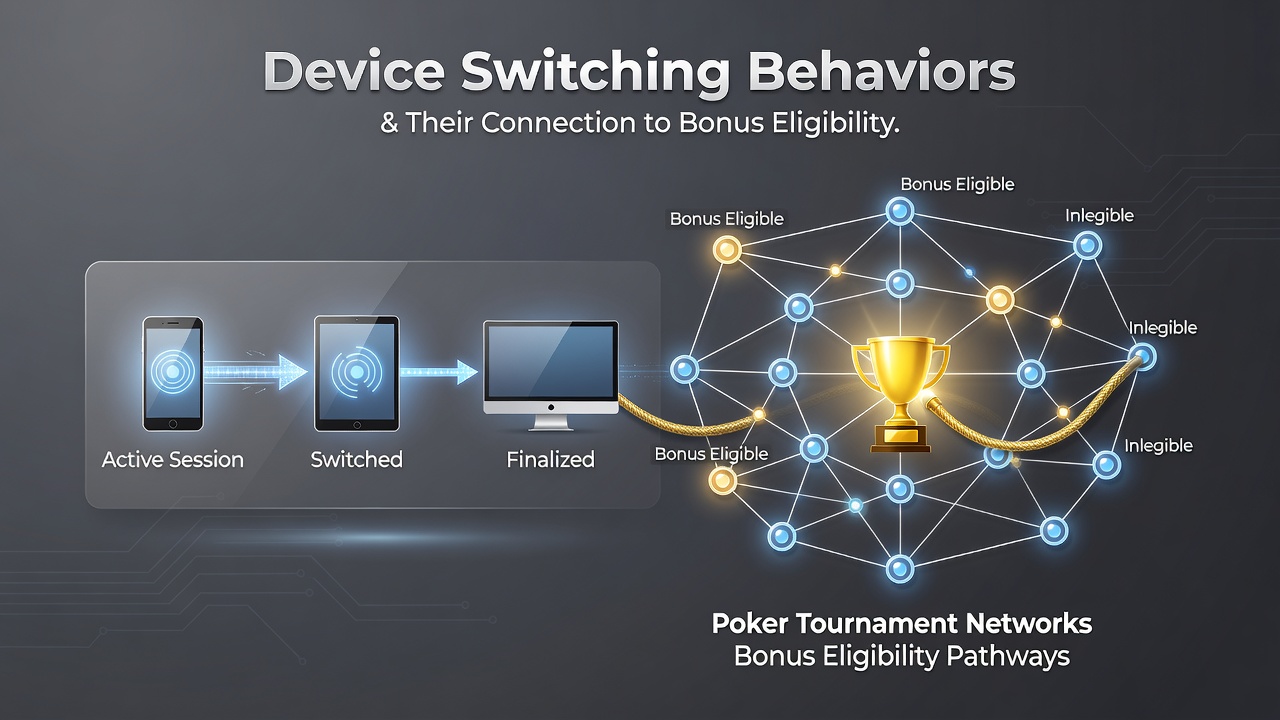
Device switching behaviors have drawn attention across poker tournament networks as operators refine their systems to monitor how players move between phones, tablets, and desktops during events. Research indicates that these patterns intersect directly with bonus eligibility rules because networks rely on device identifiers, IP addresses, and session data to validate promotions and prevent abuse. Observers note that consistent device usage often aligns with smoother bonus redemptions while frequent switches can trigger review processes that delay or disqualify rewards.
Patterns of Device Movement in Tournament Play
Players access poker platforms through varied hardware during single sessions or across multiple days of competition and data shows this movement occurs most often during high-stakes events where mobile convenience meets desktop precision for complex decisions. Studies found that roughly 60 percent of multi-device users switch at least once per tournament day according to aggregated platform analytics released in early 2026. Those who've examined login logs report that switches cluster around registration periods and final table stages when participants seek stable connections or larger screens.
Networks capture these transitions through device fingerprinting techniques that combine hardware signatures with behavioral signals such as typing speed and touch patterns. Experts have observed that abrupt changes from one device to another without prior verification steps can flag accounts for further checks even when the underlying activity remains legitimate.
Tracking Mechanisms and Eligibility Triggers
Poker tournament networks deploy layered authentication protocols that record each device attempt alongside location data and time stamps. These records feed directly into bonus systems where eligibility hinges on meeting criteria like minimum hands played or deposit thresholds completed from verified setups. Figures reveal that platforms using synchronized device histories process reward claims up to 40 percent faster than those relying solely on account-level checks.
Security layers often include temporary session tokens that expire upon device change forcing re-authentication. Researchers discovered that players who complete these steps promptly maintain their bonus status while delays sometimes push accounts into manual review queues. In July 2026 several major networks updated their token refresh intervals to accommodate documented increases in cross-device participation during summer festival seasons.
Bonus Structures and Device Consistency Requirements
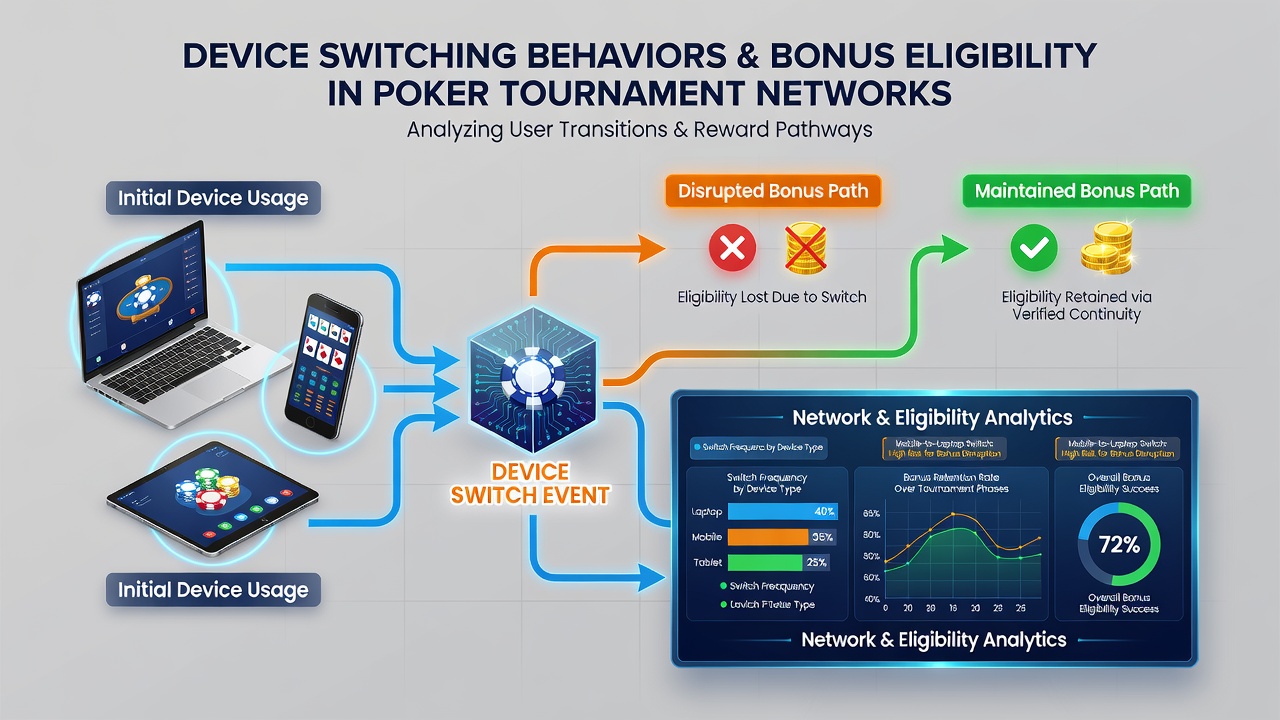
Bonus eligibility in these networks typically ties to verified activity streams that demonstrate continuous engagement rather than fragmented logins. Data from platform reports shows that accounts maintaining the same primary device throughout a tournament cycle qualify for layered promotions at higher rates than those exhibiting multiple switches. Industry organizations tracking these metrics note that clear device histories help operators distinguish routine multi-device use from coordinated bonus farming attempts.
Promotions often specify that qualifying deposits and play must originate from registered devices linked to the player's profile. When switches occur operators may require additional confirmation steps such as email or SMS validation to restore eligibility. Those who've analyzed reward distribution patterns report that networks applying these confirmations see reduced dispute volumes around denied bonuses.
Regional Regulatory Influences on Tracking Practices
Regulatory frameworks in different jurisdictions shape how networks implement device monitoring for bonus programs. The Malta Gaming Authority has issued guidelines encouraging transparent logging of device changes to protect player funds and maintain fair play standards. Similar approaches appear in Canadian provincial oversight where operators must demonstrate robust verification before releasing tournament bonuses.
Academic examinations of multi-platform gaming conducted at institutions such as the University of Sydney highlight correlations between device stability and long-term participation rates in reward structures. These findings indicate that networks incorporating such research into their systems experience fewer compliance issues during audits.
Observed Impacts on Player Participation
Players who adapt their habits to network expectations around device consistency report steadier access to promotional layers according to aggregated user surveys. Networks that publish clear guidelines on switching protocols see higher retention among participants who value predictable bonus processing. Data indicates that education campaigns detailing these requirements reduce accidental eligibility losses during peak tournament periods.
Cross-device reward chains function most effectively when login consistency matches the technical parameters set by each platform. Observers note that July 2026 brought incremental refinements to several networks' systems aimed at balancing security with user flexibility in device usage.
Conclusion
Device switching behaviors remain closely linked to bonus eligibility determinations across poker tournament networks through the data they generate and the verification processes they activate. Research continues to map these connections as platforms refine their tools and regional regulators update expectations around transparent tracking. Players and operators alike benefit from documented patterns that clarify how consistent device use supports uninterrupted access to promotional structures while excessive or unverified switches introduce review delays. Continued analysis of these dynamics will shape future iterations of tournament reward systems in the evolving landscape of online card competition.