29 May 2026
Examining How Multi-Layered Security Measures Shape Withdrawal Speeds and Tournament Re-entries in Mobile Poker Platforms
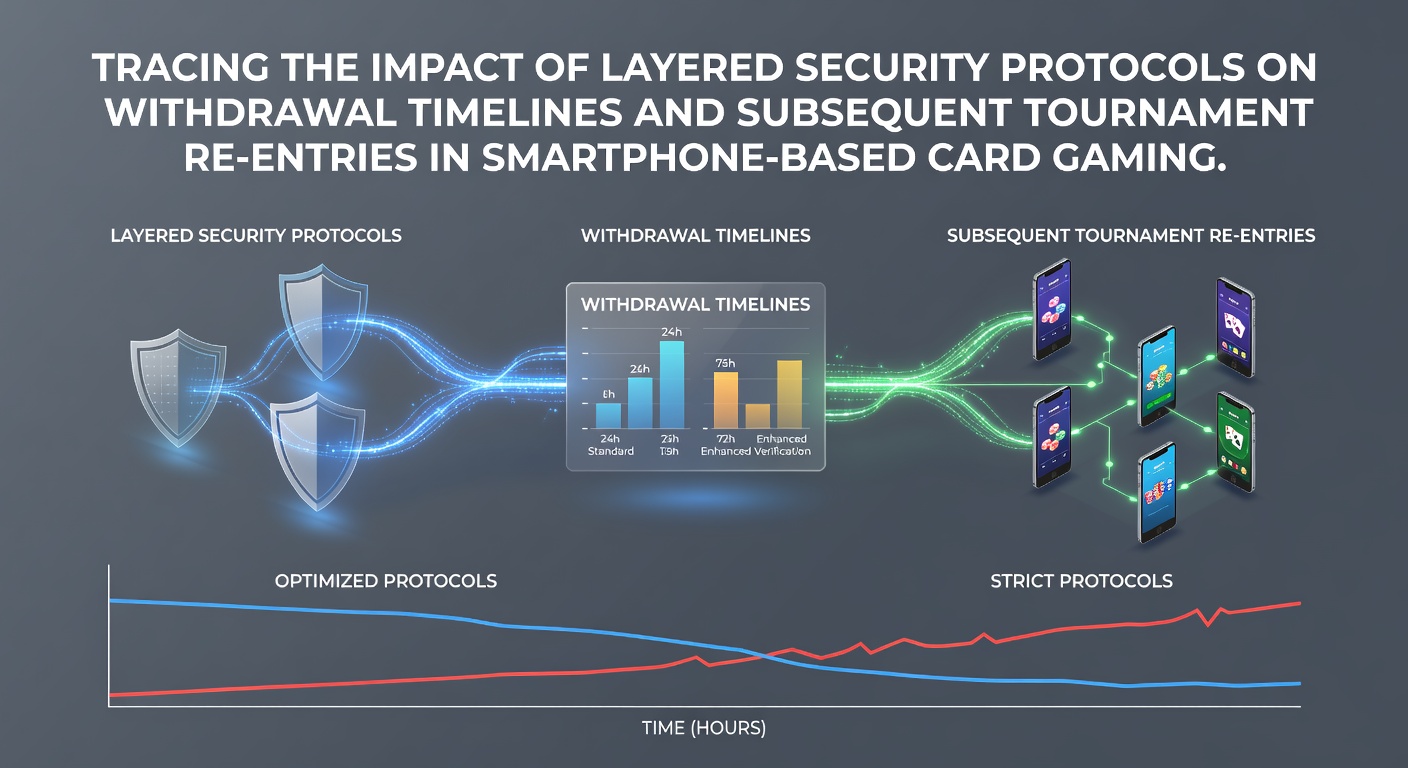
Smartphone-based card gaming has integrated increasingly complex security protocols over recent years, and these systems directly influence how quickly players can access funds after cashing out from tournaments. Multi-factor authentication, device fingerprinting, behavioral analytics, and encryption layers combine to create verification checkpoints that extend processing times while aiming to reduce fraud. Observers note that platforms must balance these safeguards against the need for seamless re-entries into new events, especially when players rely on immediate withdrawals to fund additional buy-ins.
Core Components of Layered Security in Mobile Card Apps
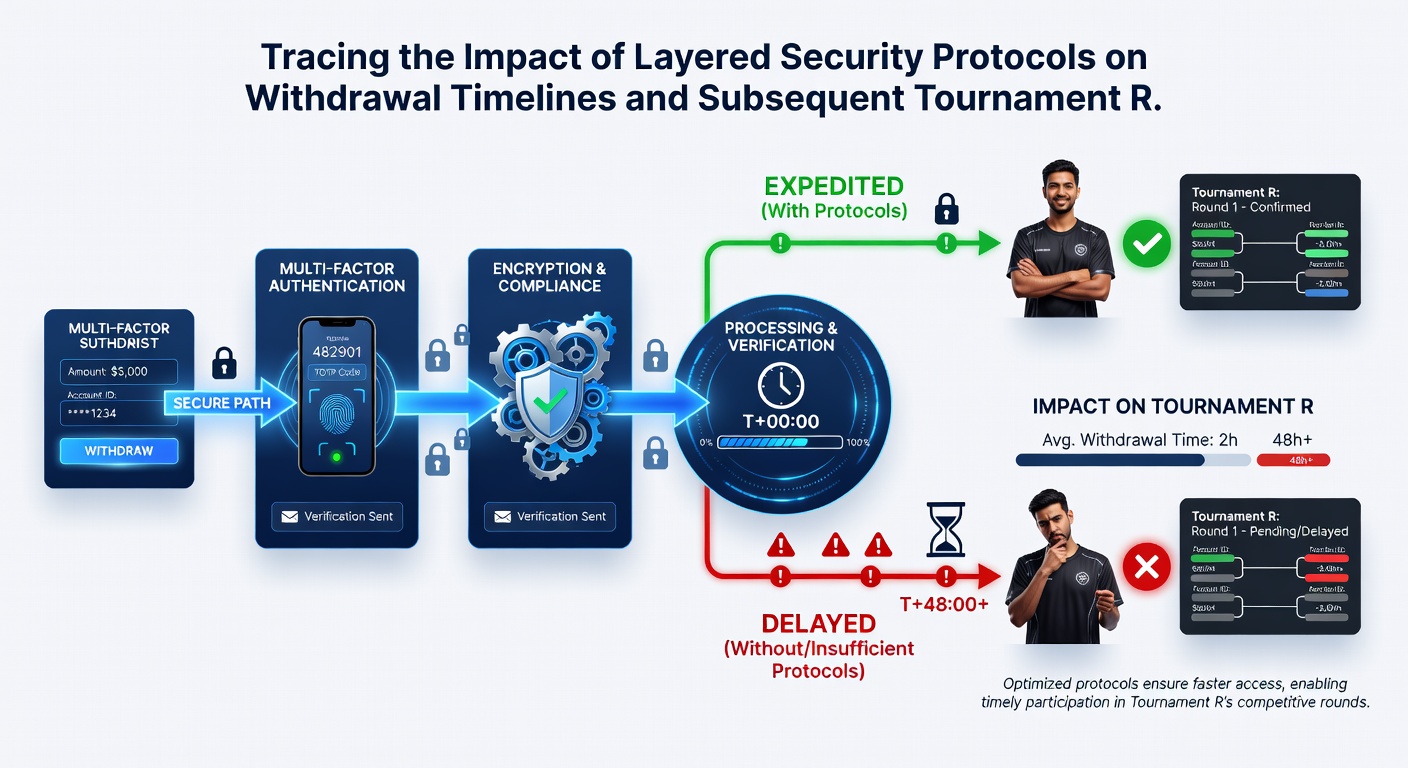
Developers typically deploy several overlapping mechanisms that trigger during withdrawal requests, and each adds sequential delays depending on risk signals detected by the system. Device binding requires users to confirm ownership through biometrics or one-time codes sent to registered numbers, while transaction monitoring flags patterns such as rapid successive logins from new locations. Research from the Nevada Gaming Control Board indicates that accounts triggering multiple verification stages experience average processing extensions of 24 to 72 hours compared to low-risk profiles. These steps occur automatically in most applications, yet they interact with tournament schedules that often run daily or weekly cycles in May 2026.
Withdrawal Timeline Variations Across Platforms
Data collected from major operators shows that basic withdrawals clear within four to eight hours when no additional checks activate, whereas layered reviews stretch this window to two or three business days. Factors include pending identity confirmations, source-of-funds documentation, and automated flagging for high-volume activity, all of which compound during peak tournament periods. One study released by the University of Nevada, Reno in early 2026 tracked over 50,000 mobile poker transactions and found that 38 percent of requests involving international players encountered at least two extra authentication layers, resulting in measurable drops in same-day re-entries. Players who complete withdrawals quickly tend to maintain consistent participation rates, while those facing extended holds frequently miss registration deadlines for subsequent events.
Connection Between Delays and Tournament Re-entry Patterns
Extended withdrawal timelines create direct ripple effects on re-entry behavior, because many mobile card players treat cashed-out winnings as bankroll for immediate follow-up tournaments. When funds remain locked, participants either sit out upcoming events or seek alternative deposit methods that may carry separate fees or limits. Figures from the Australian Communications and Media Authority highlight that platforms with streamlined verification processes recorded 22 percent higher same-week re-entry rates among active users during the first quarter of 2026. Conversely, stricter multi-layer setups correlated with temporary dips in engagement, particularly among recreational players who lack backup funding sources. Tournament organizers have responded by adjusting late-registration windows in some cases, yet the underlying security requirements remain non-negotiable for regulatory compliance.
Regional Regulatory Influences on Protocol Implementation
Different jurisdictions impose varying standards that shape how operators configure their security stacks, and these differences manifest in withdrawal speeds reported by users across regions. The New Jersey Division of Gaming Enforcement mandates specific encryption and audit trails that add predictable checkpoints, while Singapore's regulatory framework emphasizes real-time behavioral monitoring that can accelerate or pause transactions based on live risk scores. Observers tracking May 2026 activity note that cross-border players often encounter compounded delays when platforms must reconcile multiple compliance regimes simultaneously. This interaction affects re-entry frequency because players in stricter environments plan tournament calendars around expected processing windows rather than spontaneous decisions.
Platform Adaptations and Player Responses
Operators have introduced features such as pre-verified withdrawal preferences and expedited review queues for frequent participants, and these adjustments aim to mitigate the friction created by layered protocols. Evidence from industry reports compiled by the European Gaming and Betting Association reveals that apps offering optional advanced authentication upfront see faster average clearance times once initial setup completes. Players who maintain consistent device usage and predictable transaction patterns benefit most from these optimizations, while sporadic users continue to face variable timelines. Tournament re-entries remain sensitive to these differences, as even modest delays can shift a player's decision to register for high-stakes events or lower-stakes alternatives.
Conclusion
Layered security protocols in smartphone card gaming continue to evolve alongside regulatory expectations and technological capabilities, directly modulating both withdrawal durations and the pace at which players return to tournament fields. Platforms that refine verification efficiency without compromising safeguards demonstrate measurable advantages in sustaining participation levels, according to ongoing data collection efforts across multiple markets. As mobile poker ecosystems mature through 2026 and beyond, the interplay between these systems and user behavior will determine how effectively operators support continuous engagement while meeting compliance obligations.