22 May 2026
How Authentication Timing Influences Deposit Patterns and Tournament Participation in Mobile Card Gaming Apps
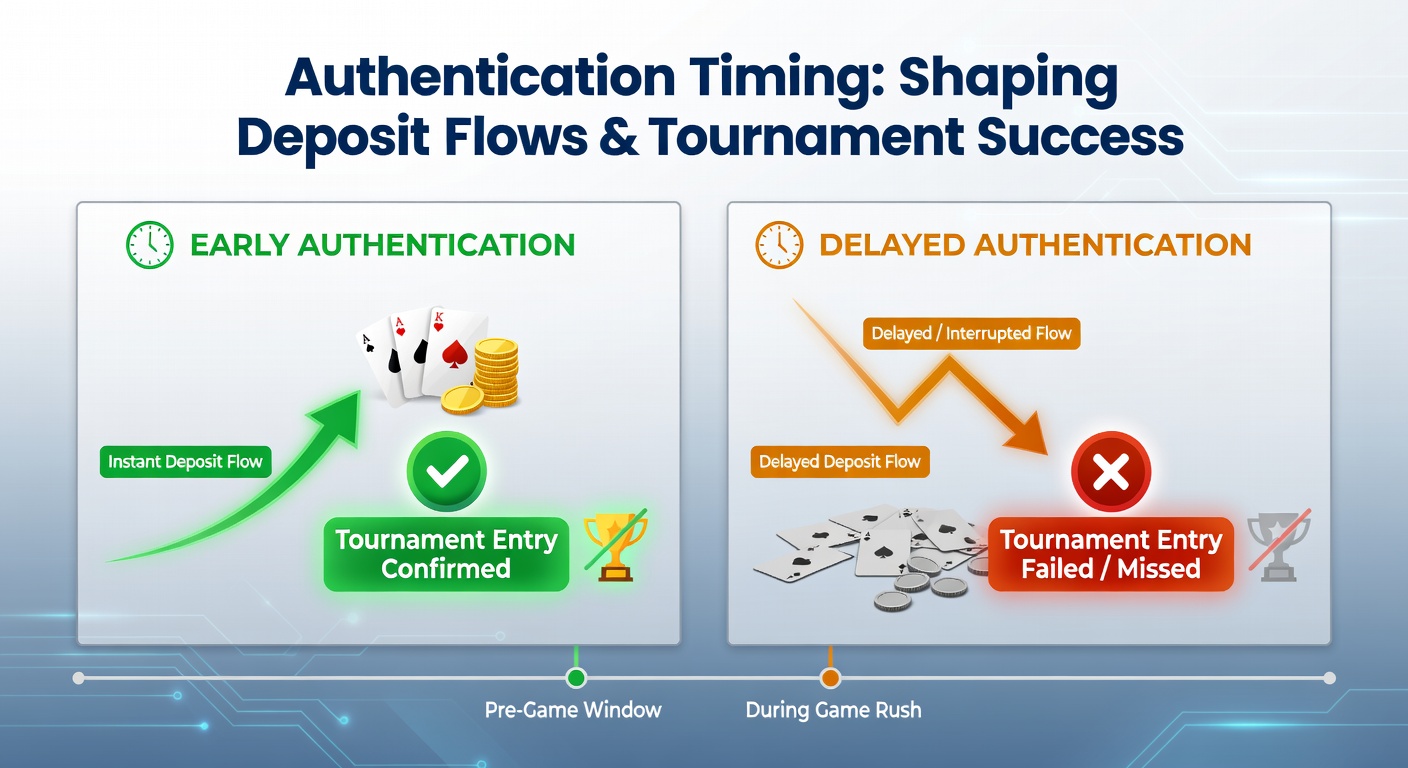 Research from platform analytics indicates that authentication timing plays a direct role in how quickly users complete deposits on app-based card platforms, and this timing often determines whether players secure spots in time-sensitive tournaments. Observers note that delays of even a few seconds during two-factor verification or biometric checks can shift deposit completion rates, particularly during peak evening hours when tournament lobbies fill rapidly. Data shows platforms that streamline login sequences see steadier deposit flows throughout the day, whereas those with multi-step processes experience noticeable drops in funding activity right before scheduled events.
Mechanics of Authentication in App-Based Card Environments
App-based card platforms typically require users to pass through several verification layers before processing any financial transaction or tournament registration, and the duration of these steps varies based on device type, network conditions, and security protocols in place. Experts have observed that fingerprint or facial recognition often resolves faster than SMS-based codes, yet network latency in certain regions can extend the entire sequence by 10 to 20 seconds according to internal platform metrics. Those who've studied user behavior patterns report that players attempting deposits during commute periods encounter more interruptions, since cellular connections tend to fluctuate compared with stable Wi-Fi environments.
Platforms operating in multiple jurisdictions must comply with local security standards, which sometimes mandate additional checks such as location confirmation or device fingerprinting before allowing a deposit to proceed. Figures from industry reports reveal that compliance-related steps add an average of eight seconds per transaction in regulated markets, and this cumulative time influences whether users abandon the process midway. Research indicates that users who experience repeated verification prompts on the same device show a measurable decline in subsequent deposit attempts, particularly when tournament entry deadlines approach within the next hour.
Deposit Flow Patterns Tied to Verification Speed
Deposit flows on these platforms follow predictable cycles that align with authentication efficiency, and data collected across several major apps demonstrates higher completion rates when verification completes in under five seconds. Players often initiate funding right after receiving tournament notifications, which means any lag in authentication can push the entire transaction past the registration window. According to a study published by the University of Nevada, Reno's gaming research group, platforms that reduced average authentication time by 35 percent recorded a 22 percent increase in deposit volume during tournament-heavy weekends in early 2026.

What's interesting is how authentication timing interacts with bonus eligibility rules on many apps, since certain promotions require deposits to clear before a specific cutoff. When verification stretches beyond platform-set thresholds, users sometimes miss these windows entirely, resulting in lower overall funding activity. Observers tracking May 2026 tournament schedules noted that several major events experienced a dip in late registrations precisely when authentication servers reported higher latency, suggesting a direct correlation between system responsiveness and player funding behavior.
Tournament Entry Dynamics and Timing Pressures
Tournament entry success depends heavily on the speed at which users move from deposit confirmation to registration confirmation, and authentication delays frequently create bottlenecks during high-demand periods. Data from app telemetry shows that entries attempted within the final 15 minutes before a tournament start time carry a higher failure rate when verification exceeds typical durations. Researchers who examined entry logs across multiple platforms found that users who completed authentication in the first attempt were 41 percent more likely to secure their seats compared with those requiring a second verification round.
Platforms have introduced features such as pre-authenticated sessions for returning users, yet these solutions only apply when players maintain consistent device access and stable connections. Those monitoring player retention metrics report that repeated authentication friction leads some users to shift activity toward platforms with quicker verification flows, particularly when daily tournament series run back-to-back. Evidence suggests that geographic differences also matter, since regulatory requirements in certain Australian states mandate extra identity checks that extend timing compared with less stringent North American frameworks.
Platform Adjustments and Observed Outcomes
Developers continue refining authentication sequences to balance security with speed, and several apps rolled out updated biometric options during spring 2026 that shortened average verification windows. Industry organizations such as the European Gaming and Betting Association have documented cases where these adjustments produced measurable improvements in deposit continuity and tournament participation rates. Yet challenges remain when users switch devices or travel across regions with varying network infrastructure, since each new environment can reset authentication timers and introduce fresh delays.
Platform operators track these patterns through real-time dashboards that flag authentication bottlenecks before they affect large numbers of users, and this monitoring helps maintain steady tournament entry volumes even during peak events. Research indicates that integrating cached credentials for verified accounts reduces friction significantly, although security teams must weigh this convenience against fraud prevention priorities. Observers note that the most successful platforms maintain authentication times below industry averages while still meeting compliance standards across multiple markets.
Conclusion
Authentication timing continues to shape deposit flows and tournament entry outcomes on app-based card platforms through its direct effect on transaction completion and registration windows. Data from ongoing platform studies shows consistent patterns where faster verification supports higher funding activity and improved entry success rates, especially when events cluster during evening hours. As systems evolve to meet both security demands and user expectations, the relationship between these timing factors and overall platform performance remains a key area of focus for operators seeking stable participation levels.