17 Jun 2026
How Behavioral Tracking Tools Reshape Entry Patterns for High-Stakes Virtual Card Events Across Global Networks
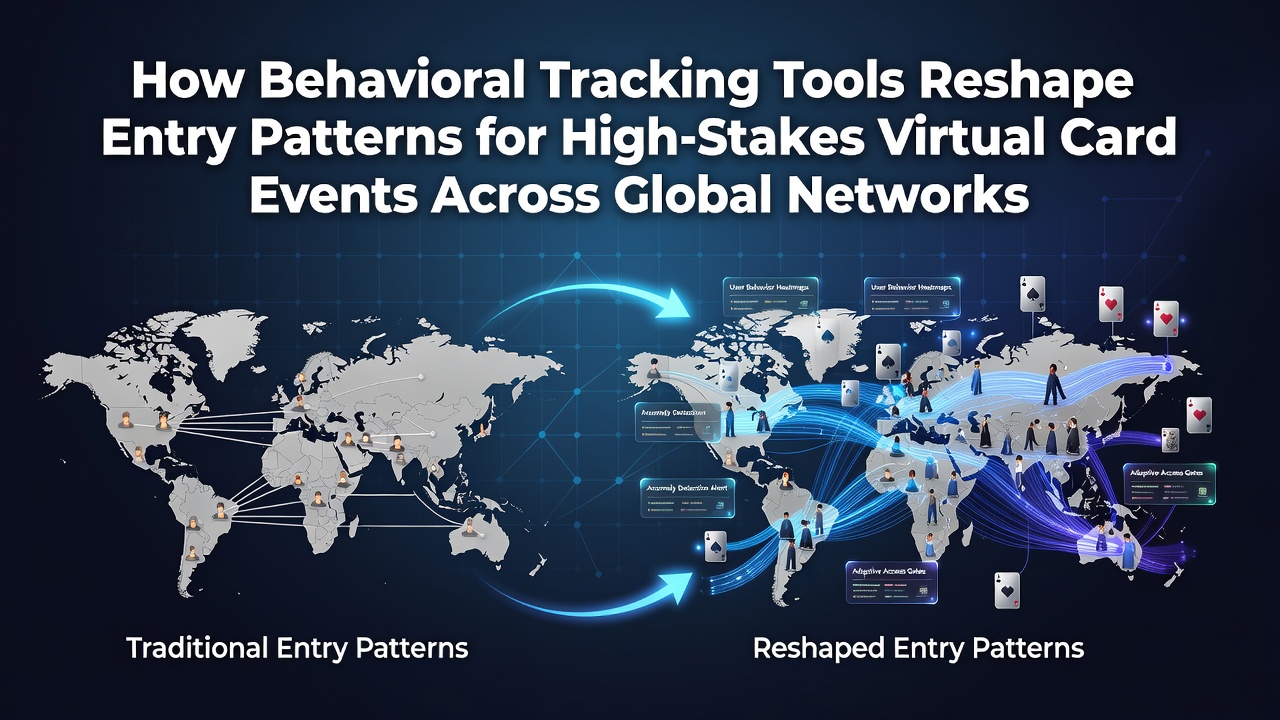
Behavioral tracking tools collect detailed data on player logins, session lengths, and decision sequences during high-stakes virtual card events, and these systems now guide when participants join tournaments across interconnected platforms. Networks spanning multiple continents integrate these tools to monitor patterns in real time, which in turn influences registration peaks before major events scheduled for June 2026.
Operators deploy algorithms that analyze historical entry data from prior cycles, and the resulting models predict optimal registration windows with increasing precision. Participants who align their activity with these predicted windows encounter adjusted queue priorities on several major networks, while those entering outside the windows face standard processing sequences.
Data Collection Mechanisms in Virtual Card Platforms
Tracking systems record timestamps for each login attempt along with device identifiers and prior tournament histories, then cross-reference these against aggregated datasets from global servers. European regulators and North American gaming commissions require operators to maintain audit logs of such collections, which creates standardized reporting practices that feed back into pattern recognition software.
One platform operating across Asia-Pacific regions documented shifts where early morning entries in local time zones rose by measurable margins after implementing behavioral prompts, and similar adjustments appeared in subsequent rollout phases during late 2025 preparations for 2026 schedules.
Entry Timing Adjustments Across Regions
High-stakes events scheduled in June 2026 already show preliminary registration clustering around algorithm-suggested intervals rather than uniform daily distributions. Platforms serving Australian and Canadian markets report synchronized spikes that coincide with evening hours in those jurisdictions, driven by notifications derived from individual play histories.
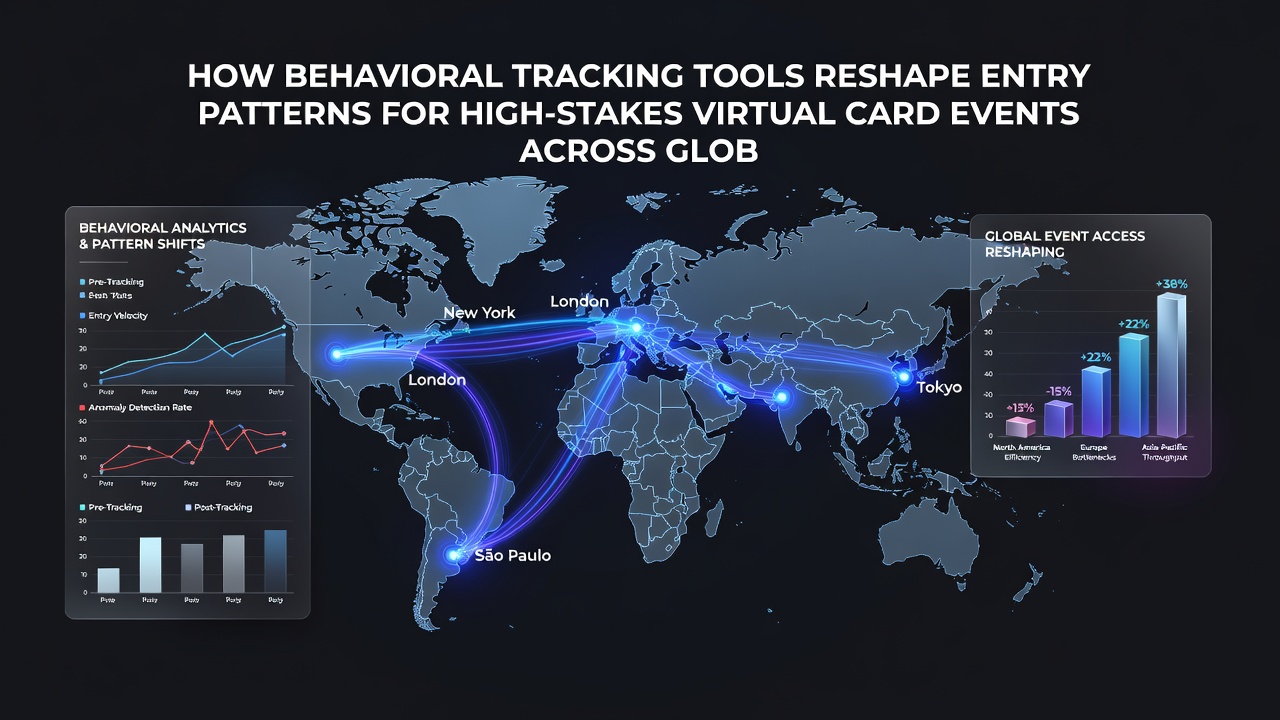
Researchers examining multi-device access logs note that consistent login protocols across phones and desktops correlate with higher eligibility rates for layered reward triggers attached to these events. The same studies indicate that deviations from established patterns trigger secondary verification layers, which extend the time between registration and actual table seating.
Regulatory and Technical Intersections
Authorities in multiple jurisdictions review how behavioral systems interact with fair-play requirements, and industry reports from organizations such as the Australian Gambling Research Centre outline frameworks that balance data utilization with participant protections. Technical standards developed through these reviews encourage transparent disclosure of tracking parameters within terms presented at registration.
Network operators respond by refining segmentation models that separate casual entrants from high-frequency participants, which produces differentiated entry flows visible in aggregated traffic statistics released ahead of major series. These refinements continue to evolve as platforms prepare infrastructure for the volume expected during June 2026 cycles.
Observed Pattern Shifts in Practice
Case examinations of prior high-stakes series reveal that players utilizing synchronized multi-platform accounts register earlier within the windows suggested by tracking outputs, and this behavior concentrates activity into narrower time bands than observed before widespread adoption. Observers tracking these developments note corresponding reductions in last-minute entries on several networks.
Global card competition ecosystems therefore experience redistributed participation loads, which operators manage through dynamic capacity allocation informed directly by the same behavioral datasets. The resulting operational adjustments maintain service continuity even as entry volumes fluctuate according to algorithmic guidance.
Conclusion
Behavioral tracking tools continue to integrate deeper into the operational fabric of high-stakes virtual card events, producing measurable realignments in when and how participants enter across worldwide networks. Data from ongoing implementations through early 2026 indicates sustained influence on registration timing, supported by regulatory oversight and technical refinements that shape future cycles.