3 Jun 2026
Intersections Between Verification Sequences and Incentive Structures Across Digital Card Competition Ecosystems

Verification sequences in digital card competition platforms involve multiple steps including identity checks, device authentication, and compliance confirmations while incentive structures rely on timed rewards, deposit matches, and progression bonuses that activate under specific conditions.
These two systems operate in parallel yet frequently overlap in ways that determine how quickly players access promotions and how platforms maintain compliance across regions. Data from regulatory filings shows that verification completion rates directly correlate with reward redemption volumes in multi-state operations.
Core Components of Verification Sequences
Verification sequences typically begin with account registration followed by document uploads, biometric confirmation where required, and ongoing session validations. Platforms integrate these steps into login flows and transaction gates so that each layer completes before subsequent actions unlock. Research from industry monitoring groups indicates that average verification timelines range from minutes for basic checks to several days when additional reviews trigger.
Multi-device environments add complexity because each new access point may require re-authentication or token refresh cycles. Observers note that platforms using synchronized cloud-based identity systems reduce repeat verifications while those relying on device-bound tokens create longer sequences before rewards become available.
Incentive Structures in Card Competition Ecosystems
Incentive structures include welcome bonuses, loyalty point multipliers, tournament ticket giveaways, and cashback programs tied to activity thresholds. These mechanisms activate through deposit events, play volume milestones, or time-limited campaigns that platforms promote via in-app notifications. Figures from 2025 platform reports reveal that bonus pools often represent 15 to 25 percent of total player acquisition spend in competitive card gaming segments.
Timing plays a central role because many incentives carry expiration windows measured in hours or days. When verification sequences extend beyond those windows, eligible players lose access to the rewards they qualified for through initial deposits or play activity.
Direct Intersections and Timing Effects
Verification completion often serves as the gate for incentive activation. A deposit that triggers a bonus match may sit in pending status until identity documents receive approval, which means the promotional funds never appear in the account balance. Platforms have adjusted these flows by allowing limited play with verified funds while full reward credits wait for final clearance.
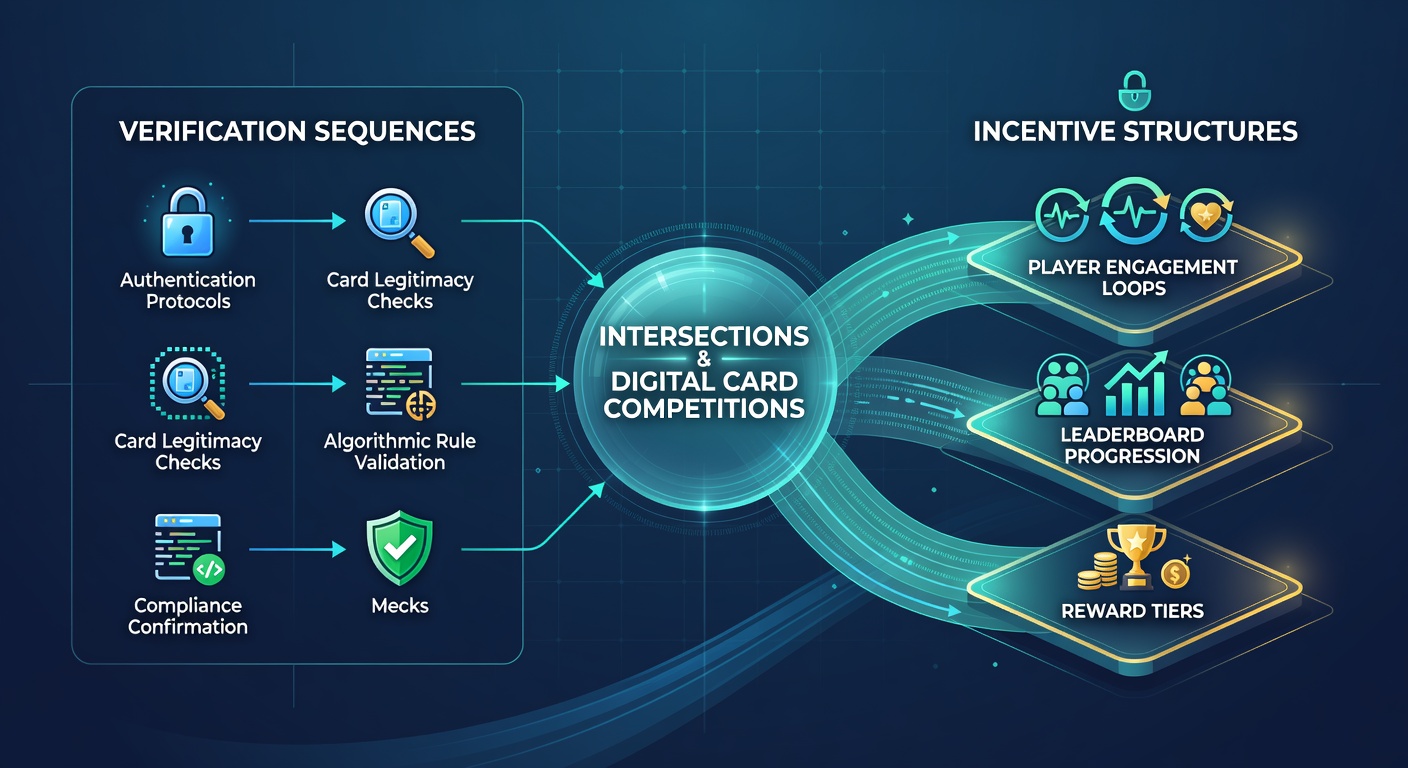
June 2026 brought updated compliance requirements in several jurisdictions that lengthened certain verification steps for high-volume accounts. Those changes coincided with revised incentive calendars on major platforms, shifting some bonus activation points to occur only after full multi-factor verification rather than after initial deposit confirmation. Operators responded by introducing provisional reward tiers that convert to full value once verification finishes within defined periods.
Regional Regulatory Influences
The Nevada Gaming Control Board publishes quarterly data on verification processing times across licensed interactive gaming systems, and those statistics show measurable impacts on reward claim rates during peak tournament seasons. Platforms operating under these rules have refined their sequences to prioritize high-value incentive triggers while maintaining audit trails required for compliance.
In Europe the European Gaming and Betting Association tracks how different member states handle identity verification alongside promotional mechanics. Reports from the association document that streamlined verification pathways in certain markets lead to higher participation in time-sensitive card competition events compared with regions that maintain longer review cycles.
Platform Adaptations and Technical Approaches
Developers have introduced modular verification frameworks that allow partial access to incentive features during ongoing checks. For instance some ecosystems grant immediate credit for small deposit bonuses after basic email and phone confirmation while holding larger match bonuses until full documentation clears. This tiered approach maintains player engagement without violating regulatory thresholds.
Token-based systems now link verification status directly to reward ledgers so that once a sequence completes, all pending incentives apply retroactively within the original campaign window. Observers tracking these implementations report fewer support tickets related to expired bonuses and smoother progression through loyalty programs.
Future Patterns Emerging in 2026
As digital card competition ecosystems expand into additional regulated markets, verification sequences continue to evolve alongside incentive mechanics. Platforms experiment with predictive verification that begins during account creation based on behavioral signals, reducing friction at the moment when players first encounter deposit bonuses or tournament entries.
Cross-platform identity standards under discussion in 2026 aim to let verified status travel between ecosystems, which would allow incentive structures to activate faster when players move between different card competition operators. Early pilot programs indicate that shared verification reduces redundant checks while preserving the security layers each platform requires.
Conclusion
Verification sequences and incentive structures remain tightly coupled elements within digital card competition ecosystems, with timing, regulatory requirements, and technical design determining how effectively rewards reach participants. Continued refinements in both areas shape participation patterns and operational efficiency across the sector as platforms adapt to 2026 compliance landscapes and expanding player bases.