5 Jun 2026
The Interplay of Reward Triggers and Session Durations Across Multi-Platform Card Competition Networks
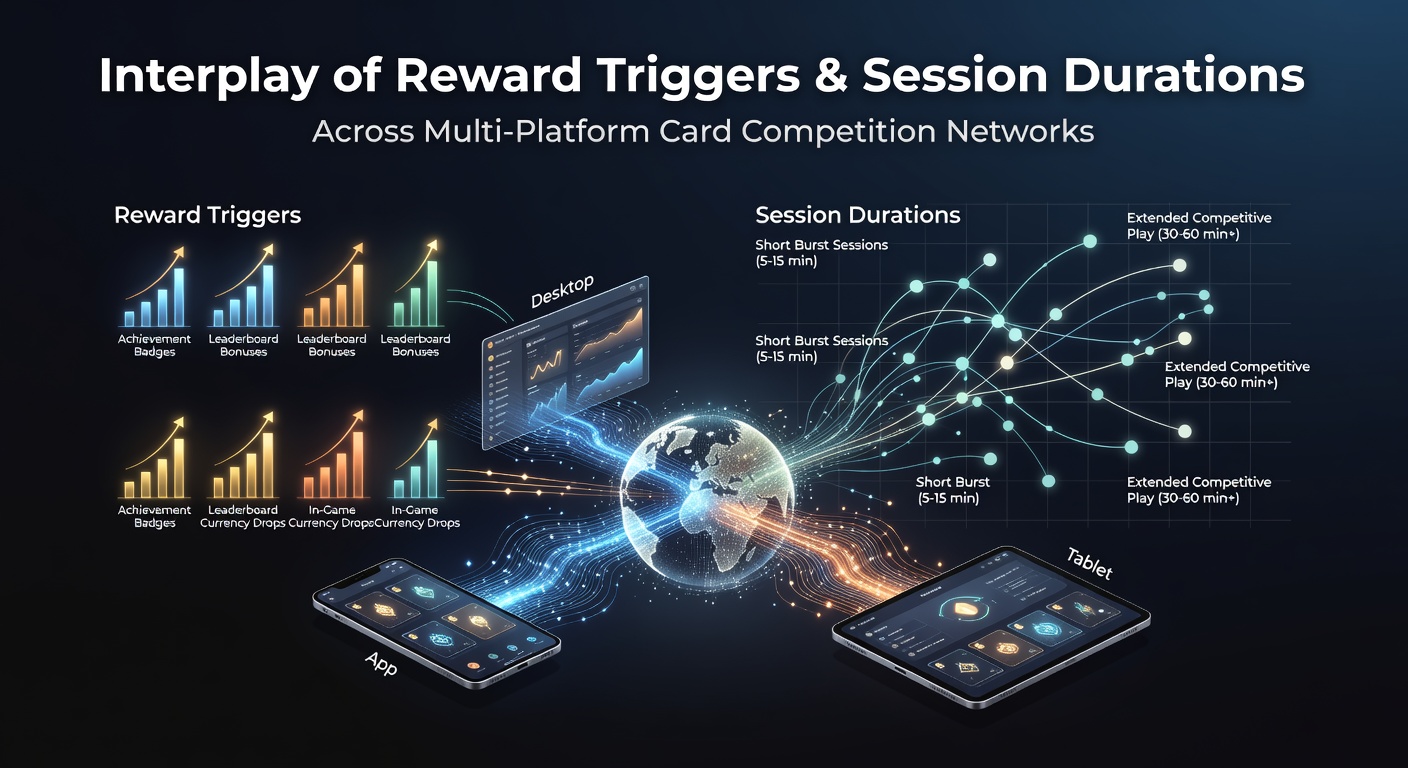
Multi-platform card competition networks connect players through synchronized systems that operate on mobile applications, desktop clients, and integrated live environments, and these networks manage reward triggers alongside session durations in coordinated ways. Reward triggers consist of deposit matches, loyalty multipliers, tournament qualifiers, and progressive jackpot alerts that activate at specific intervals during play. Session durations represent the continuous time players remain active before logging off or switching devices, and data from various operators indicate these durations often extend when multiple reward layers align within the same account profile.
Mechanics of Reward Activation in Networked Environments
Operators design reward triggers to respond to player actions such as completing a set number of hands, reaching certain win thresholds, or maintaining consistent daily logins, while these triggers function across platforms by pulling from shared backend databases that track activity in real time. A player who begins a session on a mobile application may receive a notification for an upcoming satellite tournament, and that same notification carries over when the account moves to a desktop interface without resetting progress. Research from the Australian Gambling Research Centre shows that synchronized reward systems produce measurable increases in average session length, particularly when bonus structures reset at predictable hourly or daily marks.
Card competition networks also incorporate time-based incentives that encourage extended engagement, and these include streak bonuses for consecutive days of play or volume rewards tied to total hands dealt within a rolling window. In June 2026 several major platforms introduced updated loyalty frameworks that layered additional multipliers onto existing tournament entry rewards, resulting in observed shifts where players maintained longer continuous sessions to unlock the new tiers before the promotional periods concluded.
Patterns in Session Duration Across Devices
Session data collected from multi-device environments reveal that players frequently initiate activity on mobile during short breaks and then transition to desktop setups for deeper engagement, and this pattern stretches overall duration when reward notifications follow the user across devices. Analysts examining transaction logs note that sessions exceeding ninety minutes correlate strongly with the presence of at least two active reward triggers, whereas shorter sessions under thirty minutes tend to occur when no immediate bonuses remain pending. Cross-platform authentication protocols allow accounts to maintain state, so a player who qualifies for a jackpot qualifier on one device can complete the requirement on another without losing eligibility.
Those who monitor network analytics report that desktop sessions average longer than mobile-only sessions because larger screen interfaces support more simultaneous tables and detailed tracking tools, yet mobile sessions show higher frequency of reward-triggered extensions when push notifications arrive during idle periods. The Canadian Centre for Gaming Research documented similar device-based differences in a 2025 multi-operator study, highlighting how tablet users often combine elements of both mobile and desktop patterns to create intermediate session lengths.
Cross-Platform Synchronization and Behavioral Indicators
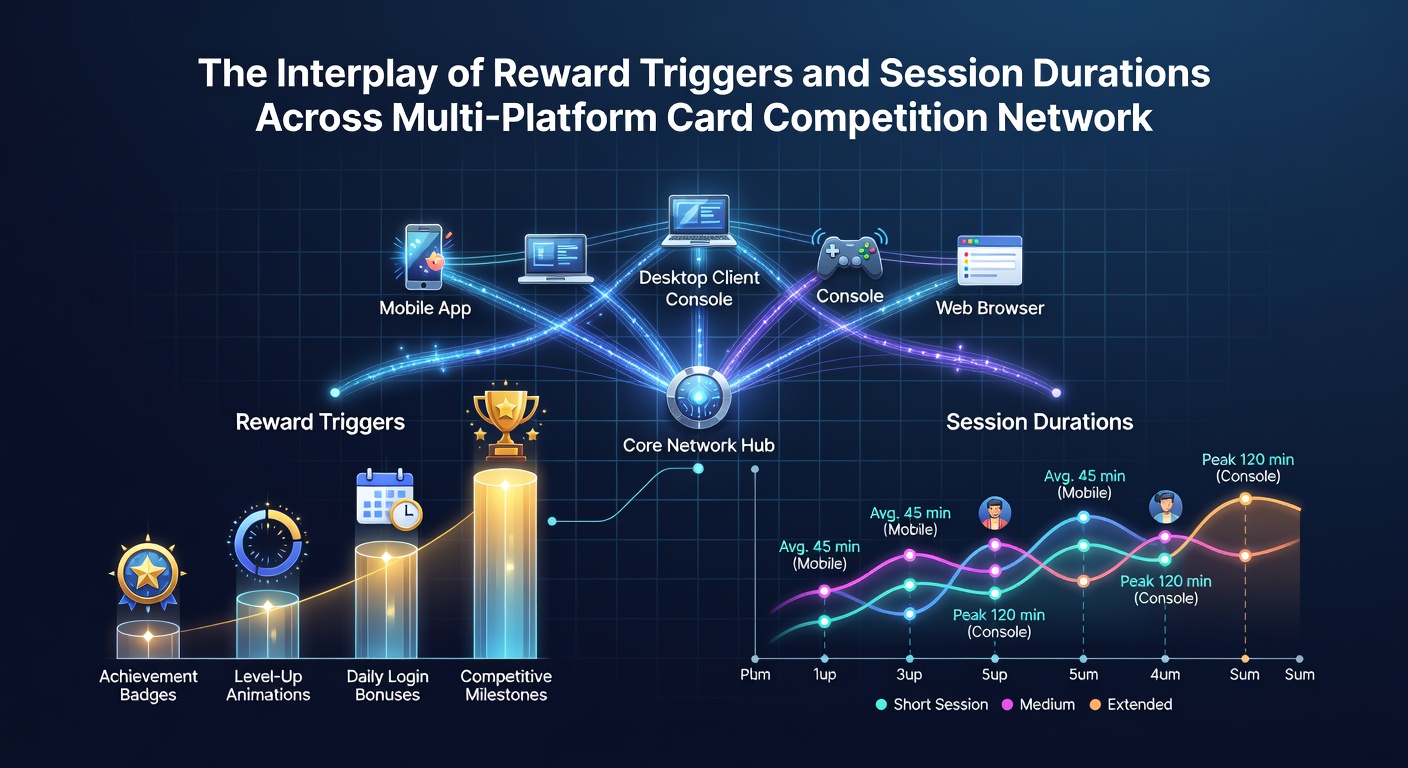
Networks that link mobile, desktop, and live casino components through unified player accounts create feedback loops where reward triggers on one platform influence behavior on others, and session duration becomes a composite metric rather than a single-device measurement. When a jackpot alert activates during a mobile session, players sometimes switch to desktop to access fuller game views, thereby extending the total time spent across the network. Observers tracking these transitions note that the handoff between devices rarely interrupts momentum when authentication remains seamless and reward status carries forward without delay.
June 2026 updates to several prominent card platforms refined the timing of reward resets to coincide with peak usage windows, and this adjustment produced noticeable clustering of longer sessions around those synchronized periods. Platform operators track these clusters through aggregated heat maps that display average session lengths by hour and device type, allowing further calibration of trigger placement to match observed player movement patterns.
Comparative Data from Regional Networks
European operators participating in the European Gaming and Betting Association have shared anonymized datasets showing that multi-layered reward systems increase median session duration by approximately twenty-two percent when compared against single-trigger environments. North American networks report parallel findings, with tournament-focused platforms recording the strongest correlation between stacked bonuses and extended play periods. These measurements rely on standardized definitions of session start and end points that account for brief disconnections and device switches, ensuring consistency across different regulatory jurisdictions.
Additional metrics track the interval between reward activation and session termination, revealing that many players conclude activity shortly after claiming a bonus while others extend further in pursuit of secondary triggers. Network architects continue to refine the spacing of these secondary rewards to balance engagement goals with operational considerations around server load and fraud detection.
Conclusion
The relationship between reward triggers and session durations in multi-platform card competition networks rests on synchronized data systems, device transitions, and timed incentive structures that collectively shape how long accounts remain active. Information compiled through 2026 demonstrates consistent patterns where aligned rewards correspond to measurable extensions in play across mobile and desktop environments. Continued monitoring of these dynamics provides operators with concrete indicators for adjusting trigger placement and synchronization protocols within evolving network architectures.