26 Jun 2026
Tracing Access Pattern Shifts Across Platform Layers and Their Effects on Reward Eligibility in Digital Table Competition Networks
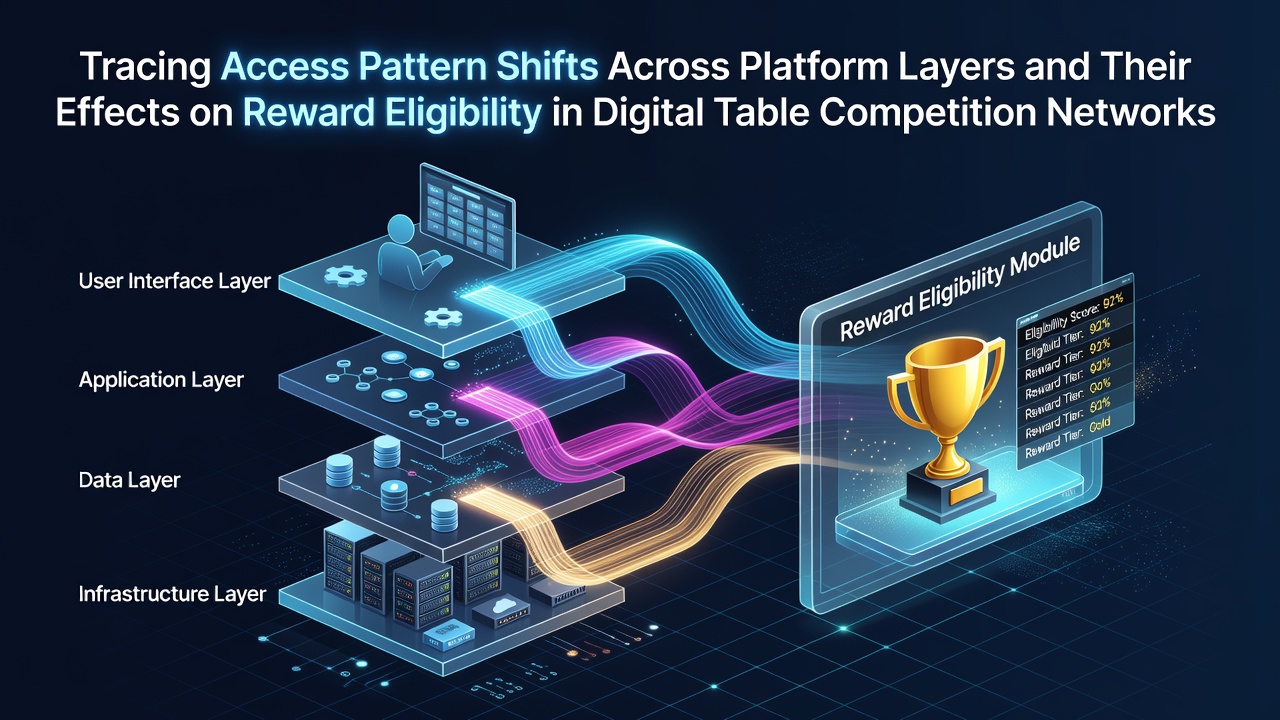
Digital table competition networks operate through multiple stacked layers that include network protocols, device authentication systems, account verification checkpoints, and reward distribution engines, and shifts in user access patterns across these layers directly influence eligibility for bonuses, jackpots, and tournament entries. Observers note that these patterns emerge when players move between desktop clients, mobile applications, and web browsers while the underlying systems log device fingerprints, IP sequences, and session timings to determine whether reward triggers activate correctly.
Platform Layers and Access Logging Mechanisms
Each platform maintains distinct layers where the outermost interface captures initial login attempts while deeper security layers cross-reference behavioral data against stored profiles, and researchers have documented that variations in how quickly users progress through these layers can reset or preserve reward eligibility flags. Data from multi-device sessions shows that consistent progression through authentication sequences maintains eligibility chains whereas abrupt shifts, such as switching networks mid-session, often interrupt the linkage between access events and layered reward triggers.
Industry reports indicate that synchronization between these layers relies on timestamped logs and device identifiers, which platforms use to map entry patterns to specific incentive structures. When access patterns remain stable across layers, reward systems recognize continuous participation and unlock higher-tier bonuses, but fragmented patterns require re-verification that may delay or disqualify users from certain promotions.
Effects on Reward Eligibility in June 2026
Platform operators introduced updated tracking protocols in June 2026 that refined how access shifts register across mobile and desktop environments, and these changes affected eligibility determinations for ongoing tournament series. Figures from network analytics reveal that players who maintained single-device consistency experienced fewer interruptions in reward processing compared with those who alternated between platforms during the same period.
Studies of session data collected after the June 2026 updates demonstrate that reward eligibility hinges on the alignment of access timestamps with predefined trigger windows, and misalignment caused by layer transitions frequently resulted in temporary holds on jackpot claims until manual review cleared the account. Those who monitor these systems report that the new protocols prioritize sequential access logs over isolated login events when calculating cumulative participation metrics.
Case Examples from Multi-Platform Networks
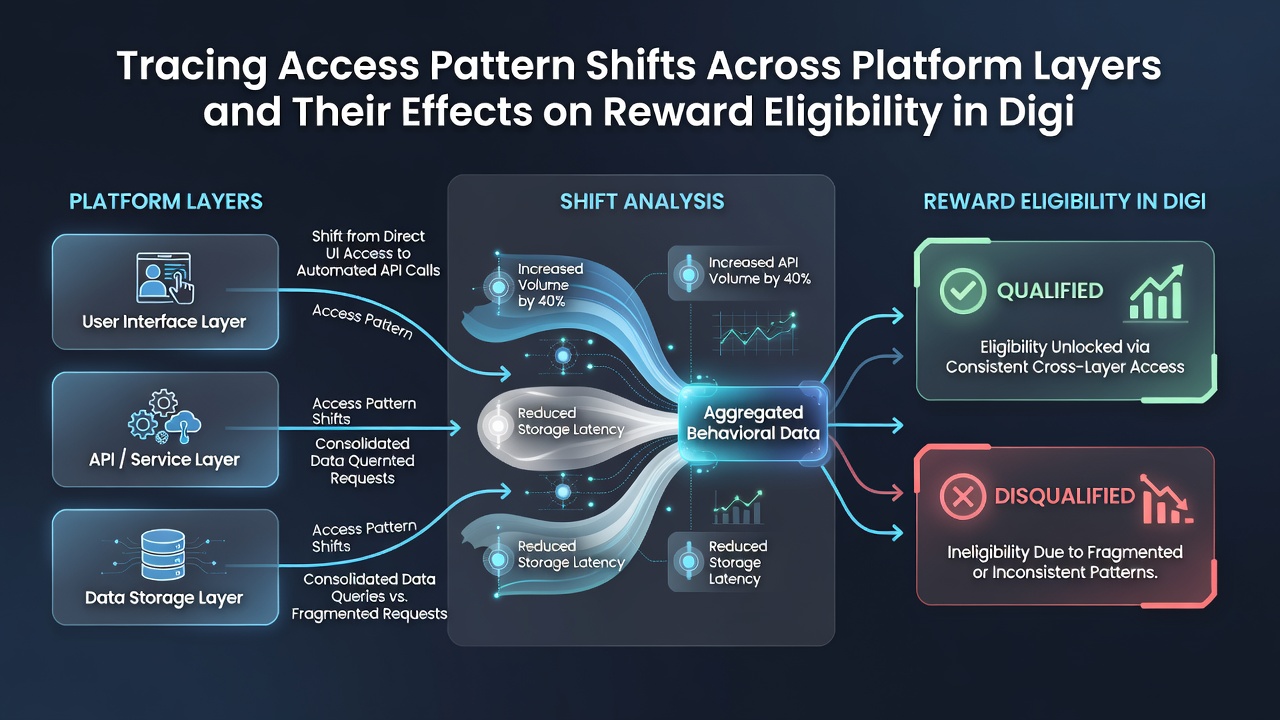
One documented scenario involves users who begin sessions on mobile applications and later transfer to desktop clients, where the transition layer records the device change and evaluates whether the pattern matches established norms for reward qualification. According to reports issued by the European Gaming and Betting Association, such transitions trigger additional verification steps that can preserve eligibility when completed within set timeframes or suspend it when delays occur.
Another pattern appears when players employ virtual private networks that alter IP sequences across platform layers, and network operators log these modifications as potential access shifts that require further validation before reward engines release funds or tournament credits. Data collected in 2026 shows that accounts with repeated IP variations across layers faced extended review periods compared with those maintaining stable network paths.
Behavioral Tracking and Incentive Alignment
Tracking tools embedded at each layer collect metrics on login frequency, device rotation, and session duration, then feed these metrics into algorithms that assess reward eligibility based on historical patterns. Researchers at academic institutions studying digital gaming ecosystems have found that consistent access sequences strengthen the connection between user activity and layered incentive structures, whereas irregular sequences weaken that linkage and reduce the likelihood of automatic reward activation.
Platforms adjust eligibility rules when aggregate data indicates widespread pattern shifts, such as increased mobile-to-desktop migrations during peak tournament hours, and these adjustments recalibrate trigger thresholds to reflect observed behaviors across the network. The result is a dynamic system where eligibility depends not only on individual actions but also on how those actions align with broader access trends recorded at every layer.
Conclusion
Tracing access pattern shifts across platform layers provides a clear framework for understanding reward eligibility outcomes in digital table competition networks, as each transition through authentication and verification stages either reinforces or disrupts the chain of conditions required for bonus and jackpot qualification. Continued monitoring of these layered interactions allows operators to refine their systems while participants benefit from predictable eligibility pathways when access remains consistent.