19 Jun 2026
Tracing the Ripple Effects of Avatar Customization Options on Engagement Rhythms Within Digital Card Competition Environments
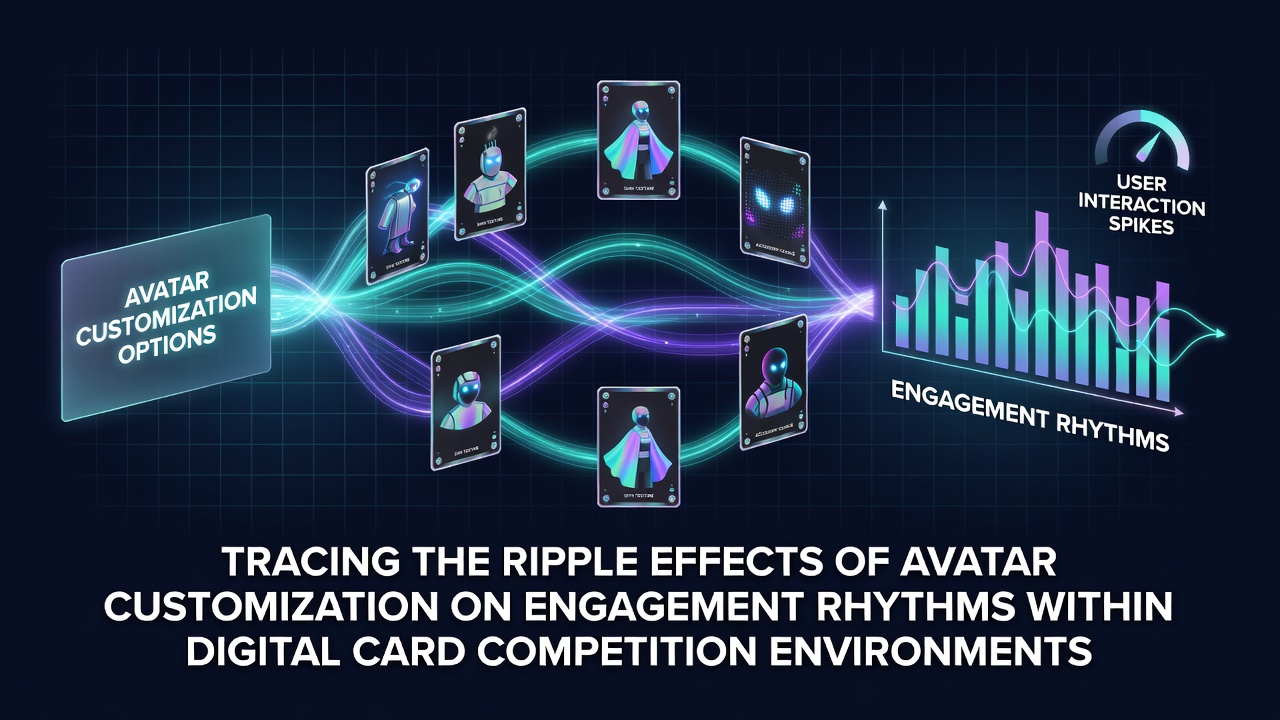
Digital card competition environments have expanded rapidly over the past decade, and researchers have begun mapping how avatar customization features intersect with player activity cycles. Data from multiple platforms indicates that choices in visual representation correlate with variations in login frequency, session length, and return patterns across competitive card formats. Observers note these elements create measurable shifts in how participants structure their time within the ecosystems.
Core Mechanics of Avatar Systems
Avatar customization typically includes options for appearance, accessories, animations, and seasonal variants, each tied to progression or purchase layers. Studies from institutions such as the University of Alberta have documented that players who modify avatars within the first three sessions demonstrate longer average dwell times compared to those who retain default settings. The same datasets reveal that unlockable cosmetic tiers align with milestone achievements, producing distinct clusters of activity around reward distribution dates.
Engagement rhythms refer to recurring patterns of participation, including daily logins, weekly tournament entries, and monthly retention spikes. These rhythms emerge from interactions between interface elements and user behavior rather than isolated features, according to aggregated telemetry reviewed by gaming analytics firms. Customization menus sit at one intersection point where initial decisions influence subsequent navigation loops.
Documented Correlations With Session Timing
Platform operators tracking account-level metrics report that users who apply multiple avatar adjustments during onboarding maintain higher session counts over thirty-day windows. The pattern holds across both mobile and desktop interfaces, though the strength of the correlation varies by region and game genre. Figures released in early 2026 by industry monitoring groups show elevated activity clusters coinciding with limited-time avatar releases, particularly when those releases align with major card competition events.
One longitudinal review covering North American servers found that players selecting thematic avatars tied to specific card archetypes extended their participation in ranked queues by an average of 12 percent during the same period. Similar observations appeared in Australian market reports, where seasonal customization events produced measurable upticks in concurrent user counts without corresponding increases in new account creation.
Behavioral Tracking and Platform Adjustments
Developers have responded to these patterns by integrating customization checkpoints into progression systems. Rather than treating avatars as purely cosmetic, several titles now link visual options to account milestones that reset on weekly or monthly cycles. This design choice creates recurring decision points that intersect with existing tournament schedules. Researchers tracking these intersections have identified secondary effects on queue times and matchmaking pools, especially during peak evening hours in June 2026 when multiple regional circuits overlapped.
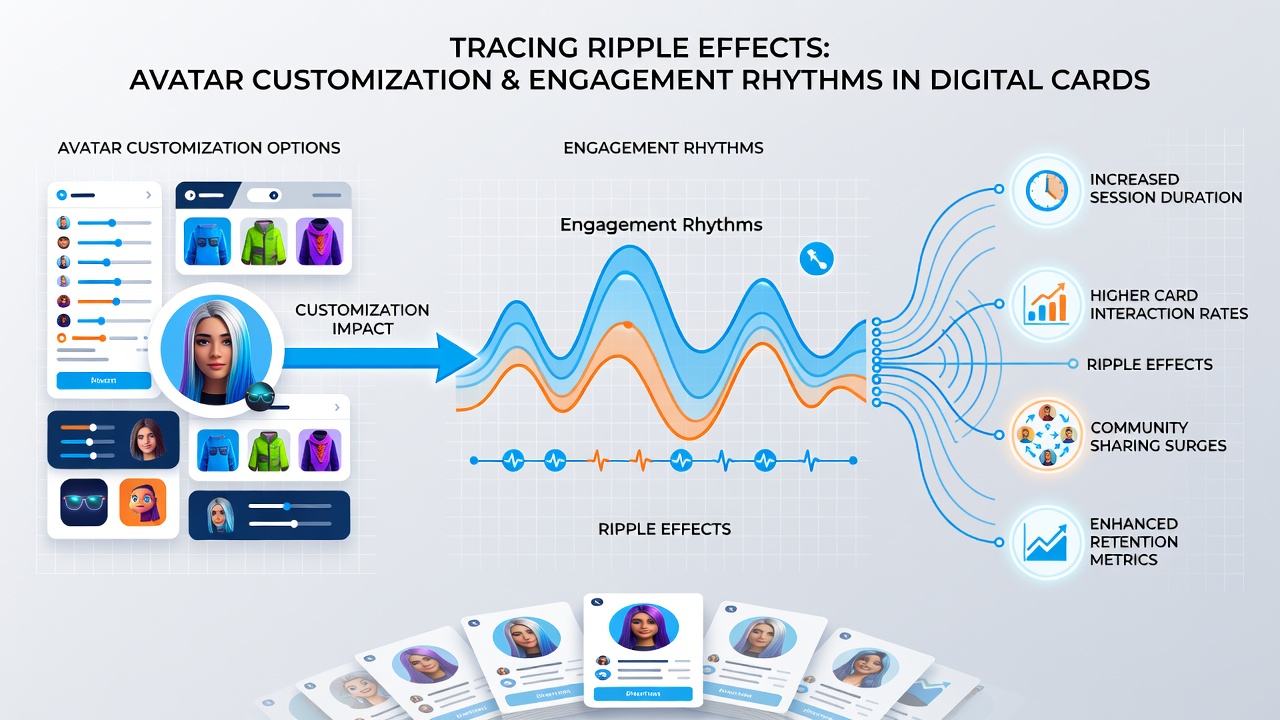
Additional layers appear when customization options require social sharing or community voting. Data collected through integrated feedback systems shows that players participating in avatar showcase events exhibit different retention curves compared to those who customize privately. The Entertainment Software Association's 2025 industry report noted parallel trends in broader digital gaming spaces, where community-driven cosmetic systems influenced repeat visit rates across competitive genres.
Regional Variations and Platform Comparisons
European operators have reported distinct outcomes when avatar options incorporate localization elements such as regional flags or language variants. These additions coincide with shifts in engagement timing, particularly around international card competition windows. Canadian regulatory filings from the same period documented similar adjustments in player activity following the introduction of accessibility-focused customization toggles, including color-blind modes and simplified animation sets.
Cross-platform comparisons reveal that desktop environments tend to surface more granular avatar tools, while mobile versions prioritize quick-swap presets. Both approaches produce measurable but different effects on session fragmentation, with mobile users showing more frequent short returns and desktop users demonstrating longer contiguous blocks. Aggregated figures indicate these differences persist even when controlling for overall playtime across devices.
Conclusion
Avatar customization functions as one variable within larger systems of player retention and activity scheduling. The documented relationships between visual choice points and engagement rhythms continue to inform iterative design across digital card platforms. Ongoing data collection through 2026 suggests these intersections will remain relevant as competition environments incorporate additional personalization layers and cross-regional events.